Bio-inspired AI memory that doesn't rot.
AI memory rots the more it is used.
LLM wikis and knowledge graphs collapse as they grow.
A brain never rots, because its memory follows a strict structure.
TemporalCortex puts AI memory under that same structure, so it stays organized however large it gets.
A shared brain for your team.
A shared brain for your team and its agents, indispensable to using AI effectively. AI is racing ahead, and the edge goes to whoever wields it best. Put your team's whole context into one memory that holds and reasons over it like a sharp human mind. Every agent and teammate can then work off it. Without a memory like this, every agent and teammate starts from scratch, blind to everything your team already knows.
Today's memory tools fail as they scale.
It's inevitable, because none is built on a structure that keeps it from collapsing as it grows. LLM wikis and Obsidian-style graphs all share one gap: there is no simple, principled structural constraint to keep the system from breaking down as it grows complex. They hold together only with constant manual upkeep, which is exactly why they don't scale.
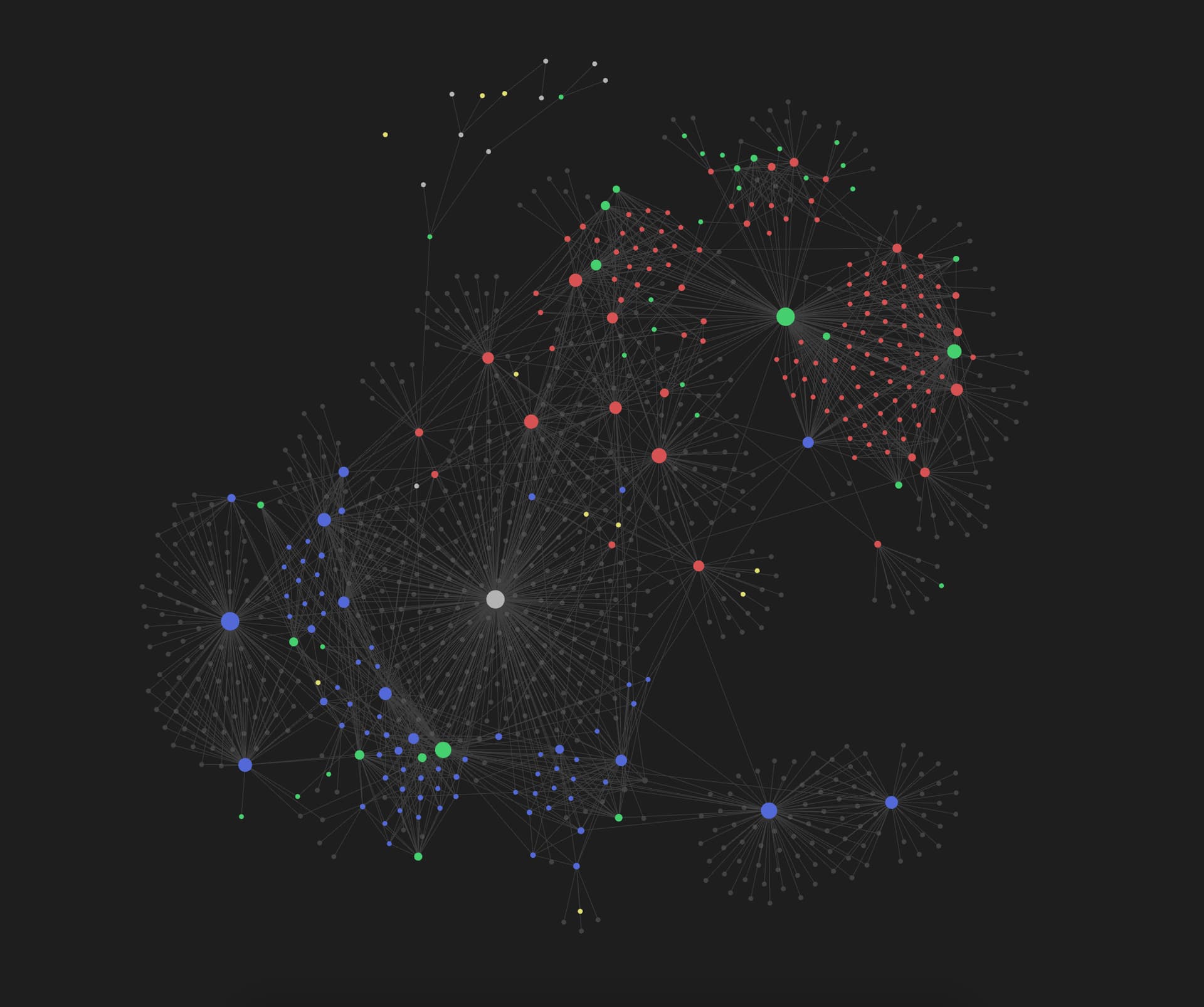
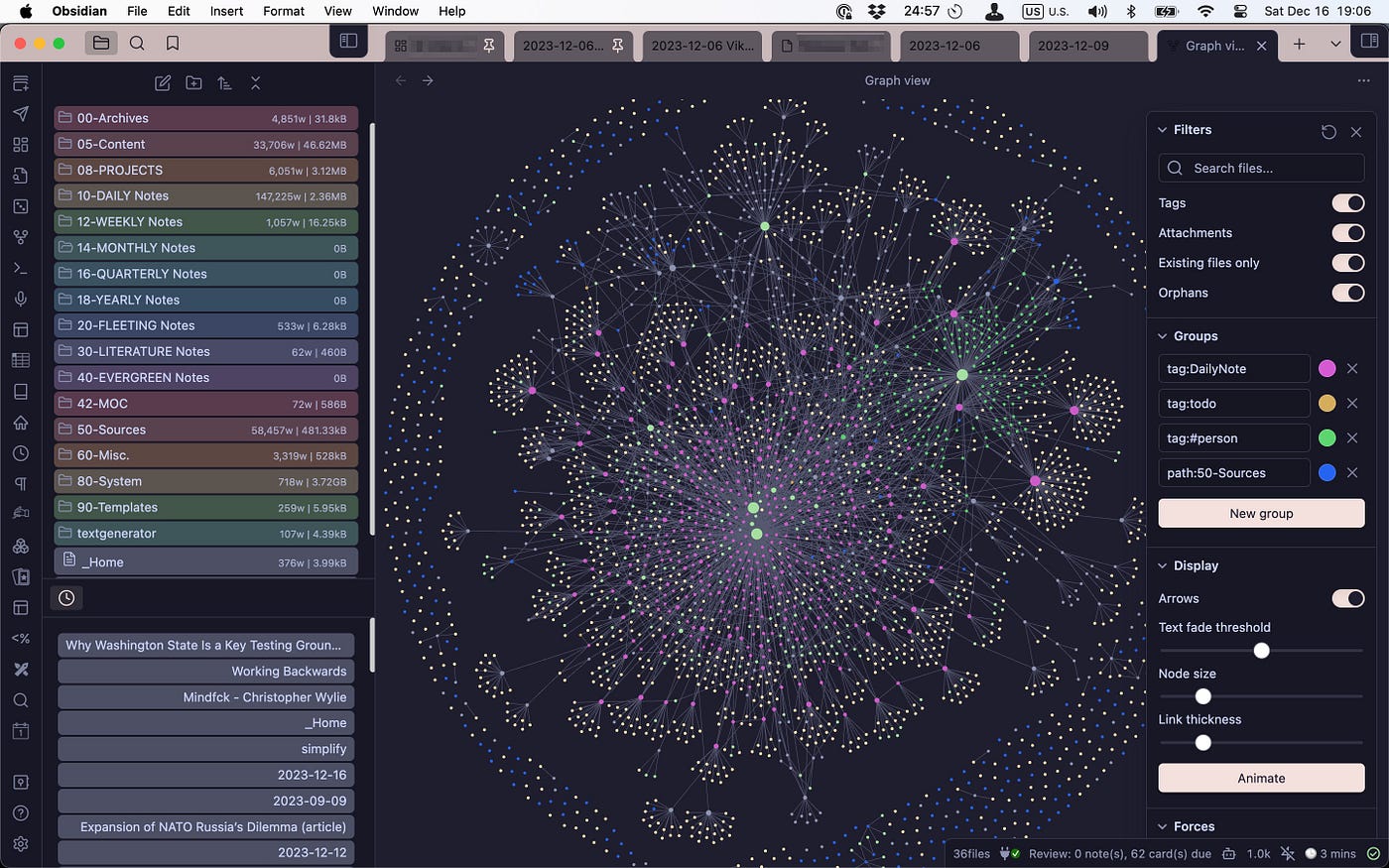
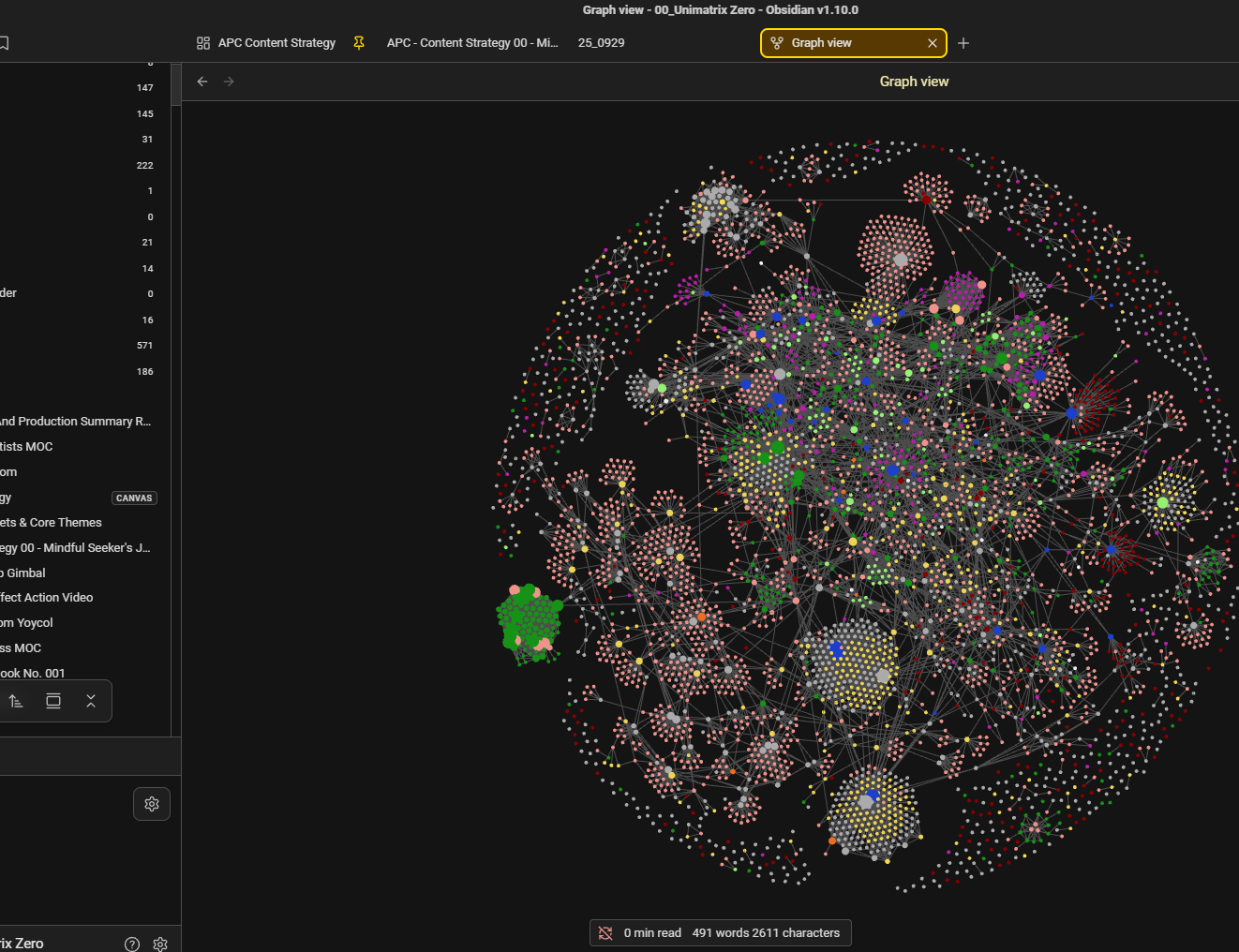
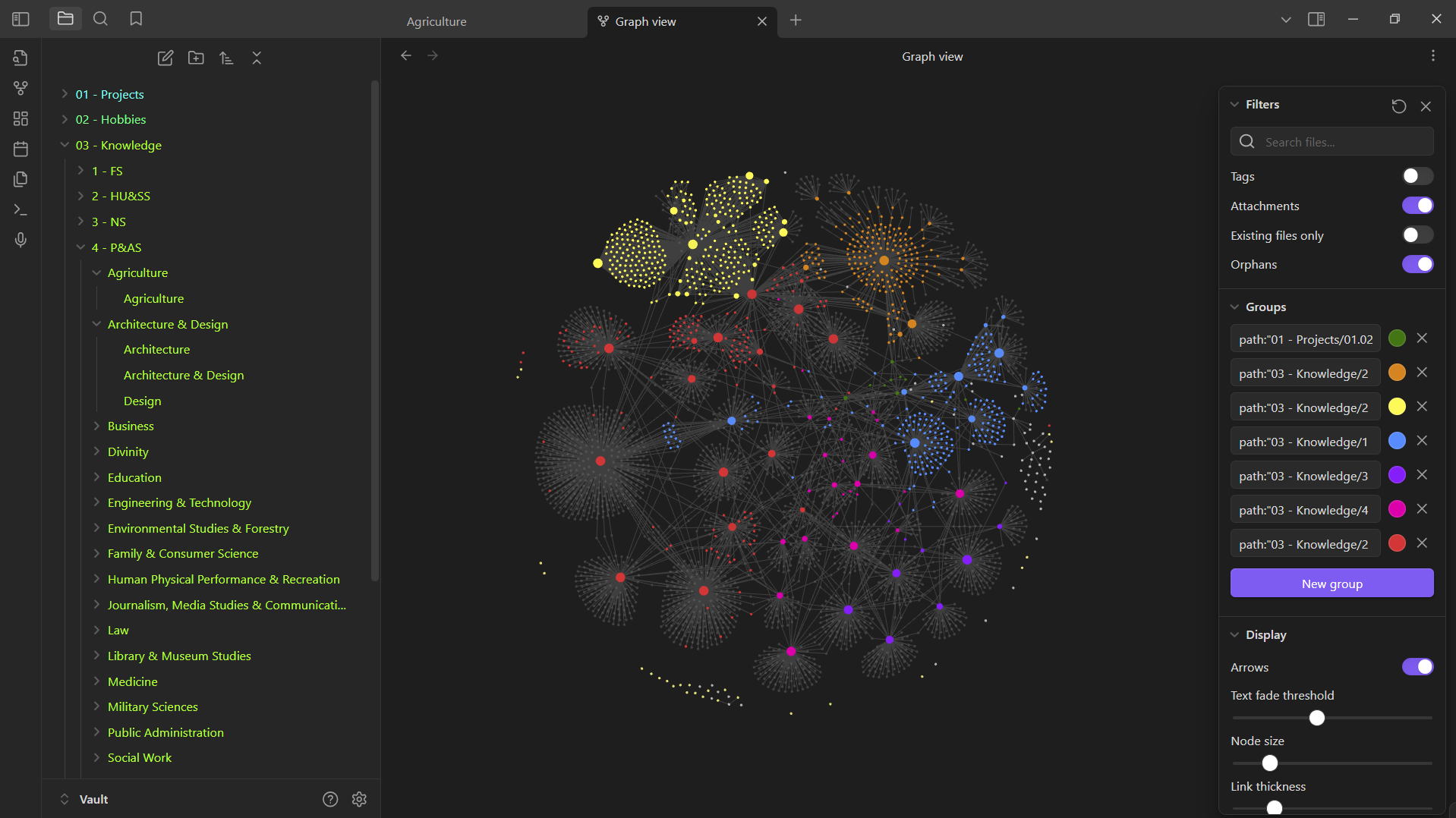
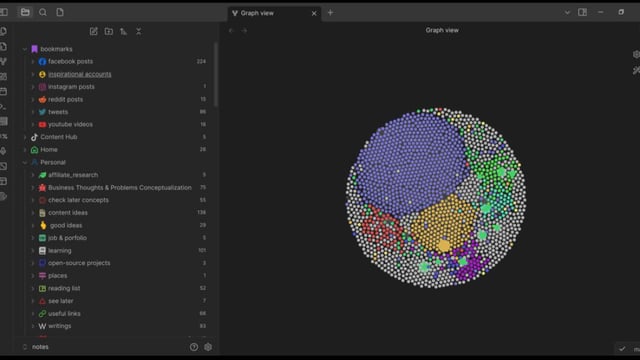
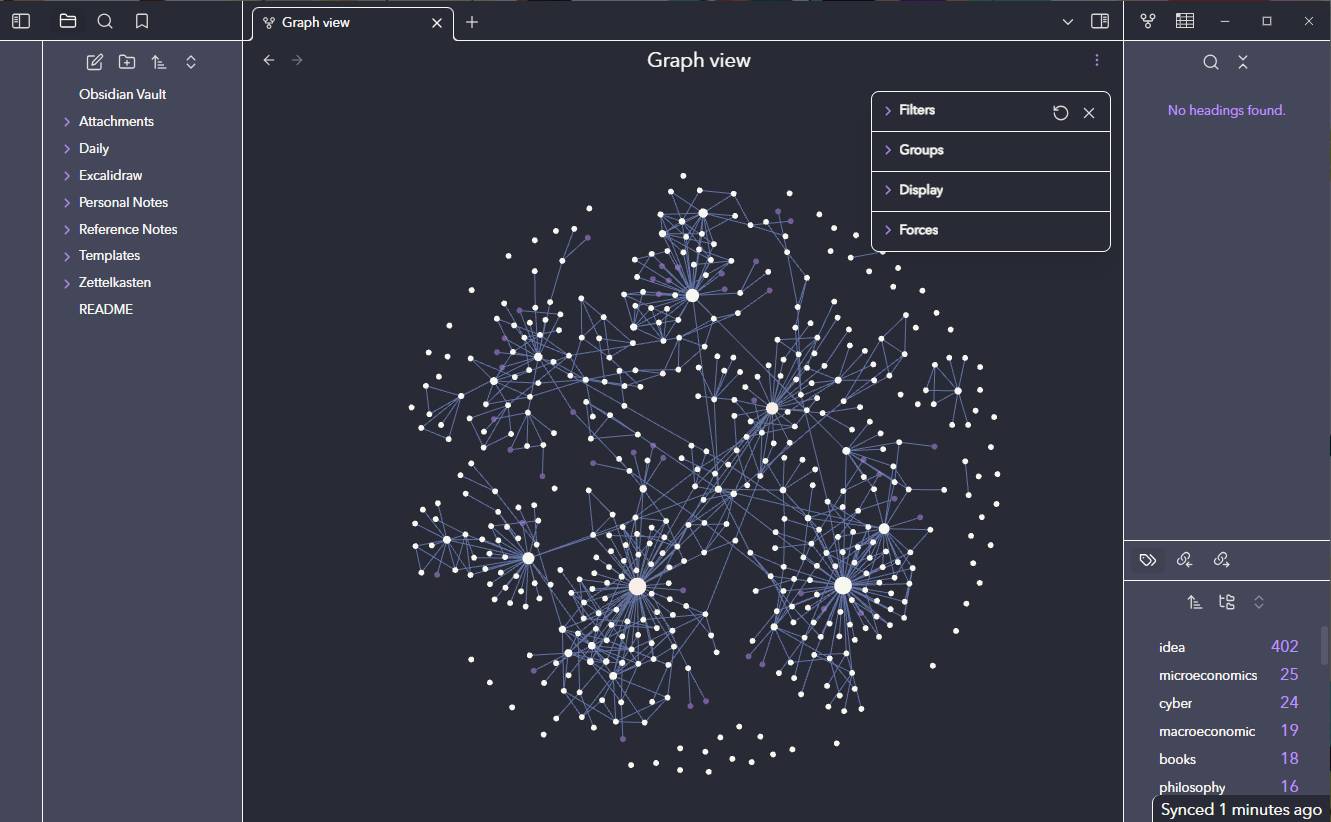
Real LLM-wiki / Obsidian graphs shared across the web.
Beautiful at first, unusable as they grow.
Our TC never rots, however long it's used.
We built our algorithm on two of its principles:
- the abstraction a smart human uses
- the molecular-biological constraints between memories in the brain
There is a structure behind that. TemporalCortex puts AI memory under the same discipline. It does not just stitch notes together. It transforms each piece, then merges it into a structure that stays organized as it grows.
-
1.
Turn each input into a good representation.
This is the same move a smart human makes: abstracting the essence out of what it takes in, instead of storing it verbatim.
-
2.
Merge it into the existing memory under a few simple rules.
Those rules mirror the structural constraints between memories that the molecular biology of a brain enforces, which is why a brain's memory stays organized and never rots.
The result is memory that organizes itself and stays navigable. No manual upkeep, no rot. The mechanism is our edge, kept under the hood.
We built TC to use it ourselves.
AI researchers at Seoul National University.




Hyunjun Kim
Team Lead · SNU ECE
2 neuroscience-inspired AI papers (ICLR, IJCNN) as an undergrad
Seoul Science High School
Sookwan Han
Architecture · SNU ECE
CMU Robotics Institute PhD (deferred)
4 CVPR / ICCV / ECCV papers as an undergrad (3 oral)
Seoul Science High School
Sunwoo Kim
Algorithms · SNU Statistics
Incoming MIT EECS PhD — AI for Life Sciences
3 ICLR papers (1 Spotlight) as an undergrad
Seoul Science High School
Junsu Kim
Algorithms · SNU Math
ex-Google DeepMind (post-training)
IMO 2020 Silver Medalist
Seoul Science High School
The core algorithm already works. Sign up for the September launch note.
The algorithm works. Launching mid-September 2026. Drop your email for the launch note, or reach out if you want to talk early.